our operations
natural gas growth drives progress
4 min read | september 04, 2025
Chevron is expanding its global gas business to meet growing demand.
Natural gas is used for a variety of purposes—from cooking to electricity generation.
Around the world, natural gas is a part of everyday life for many people, who use it for cooking, doing laundry and other household needs. It’s also used to produce electricity—and it’s necessary for things like manufacturing, fertilizer production and hydrogen generation.
This abundant, reliable energy source—often in the form of liquefied natural gas (LNG)—also supports economic growth.
For many consumers, natural gas is one of the more affordable energy sources available.
And that’s not all, said Brian Essner, Chevron’s general manager of LNG origination.
“If you think of the global energy system, it’s a key component,” Essner said. “When there’s a failure or a change in how energy is provided to consumers, natural gas has the scale and is flexible enough to fill that gap.”
natural gas: today and tomorrow
Demand for energy is rising, with U.S. electricity consumption projected to reach all-time highs in 2025 and 2026. Globally, electricity demand is expected to grow through 2026.
Rising global energy demand is expected to be driven by economic growth, industrialization, and the increasing needs of artificial intelligence (AI). Natural gas is a good source of energy to power data centers needed for AI because it’s scalable and affordable.
To meet this demand, Chevron is currently expanding its global gas business.
freeman shaheen
president
chevron global gas


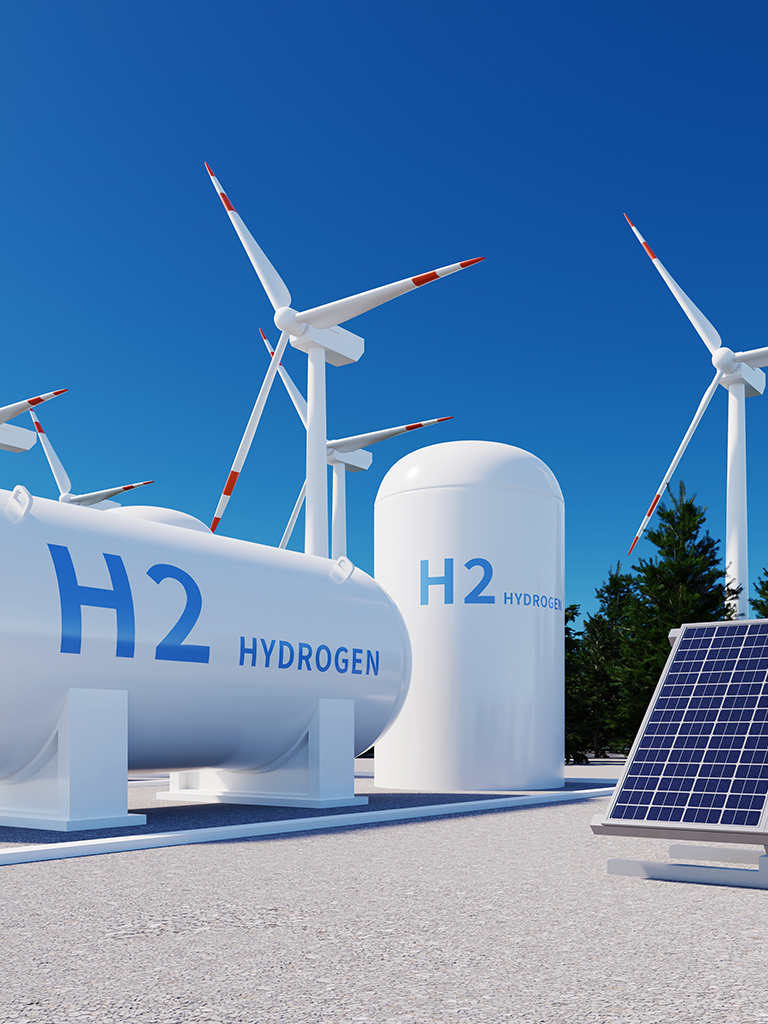
Beyond cooking and heating, natural gas is used for a host of other purposes—including manufacturing, fertilizer production and hydrogen generation.
chevron’s advantaged LNG business
Chevron’s reputation as a reliable operator—coupled with its strategically placed LNG hubs worldwide—has helped give its LNG business a leading edge, said Essner.
For 75 years, Chevron has partnered closely with Japan, particularly on LNG supply.
With the Chevron-operated Gorgon and Wheatstone projects in Australia, plus the company’s stake in the Northwest Shelf Project in the country, Chevron is among Japan’s largest LNG suppliers.
“This relationship with Japan helped build the investment support that enabled our large-scale projects like Gorgon and Wheatstone,” said Makiko Matsukizono, Chevron’s general manager for Japan in its LNG origination organization. “This is a testament to our commitment to powering progress and the global impact of our LNG business.”
Chevron also has significant natural gas holdings spanning the Asia Pacific, the Eastern Mediterranean, and West Africa. In the U.S., its holdings range from the Permian and DJ basins to Chevron’s expanding presence along the U.S. Gulf Coast. These holdings position Chevron to support the world’s evolving energy mix and energy security needs.
brian essner
general manager
LNG origination
shaping the future of natural gas
Chevron is contracted to export 7 million metric tons of LNG annually from the U.S. Gulf Coast, beginning in 2026. That’s enough to power a U.S. city of more than 3 million people for approximately one year.
In fact, Chevron is engaged in every aspect of the natural gas business, spanning exploration, production, liquefaction, shipping, pipelines, marketing and trading, and power generation.
“No single company or country can solve the energy trilemma—affordability, reliability and lowering carbon intensity—alone,” said Freeman Shaheen, president of Chevron’s global gas business. “We are working across the value chain with governments, customers, industry peers and technology partners to scale solutions that work.”
topics covered


related content
-
 how APOLO helps chevron pinpoint prime drilling locations
our operationsnovember 12, 2025
-

 robotics supports more efficient workplace
our operationsnovember 10, 2025
-

 the people who power the US energy advantage
our operationsnovember 06, 2025
-

 a statement from chevron CEO mike wirth on Argentina
our operationsseptember 24, 2025
chevron email updates
Subscribe to our newsletter to receive news and updates.