one future, many routes

As we look toward tomorrow, how can we reduce transportation emissions intensity? Many lower carbon energy solutions, enabled to scale by well-designed policies, are needed to make meaningful progress.
lower carbon solutions for conventional engines

the challenge 28 percent of U.S. greenhouse gas emissions came from transportation in 2022

our solution

we’re working on options for how transportation is fueled

Chevron is working to help create a range of renewable fuels as both drop-ins and full substitutions for existing fuels.


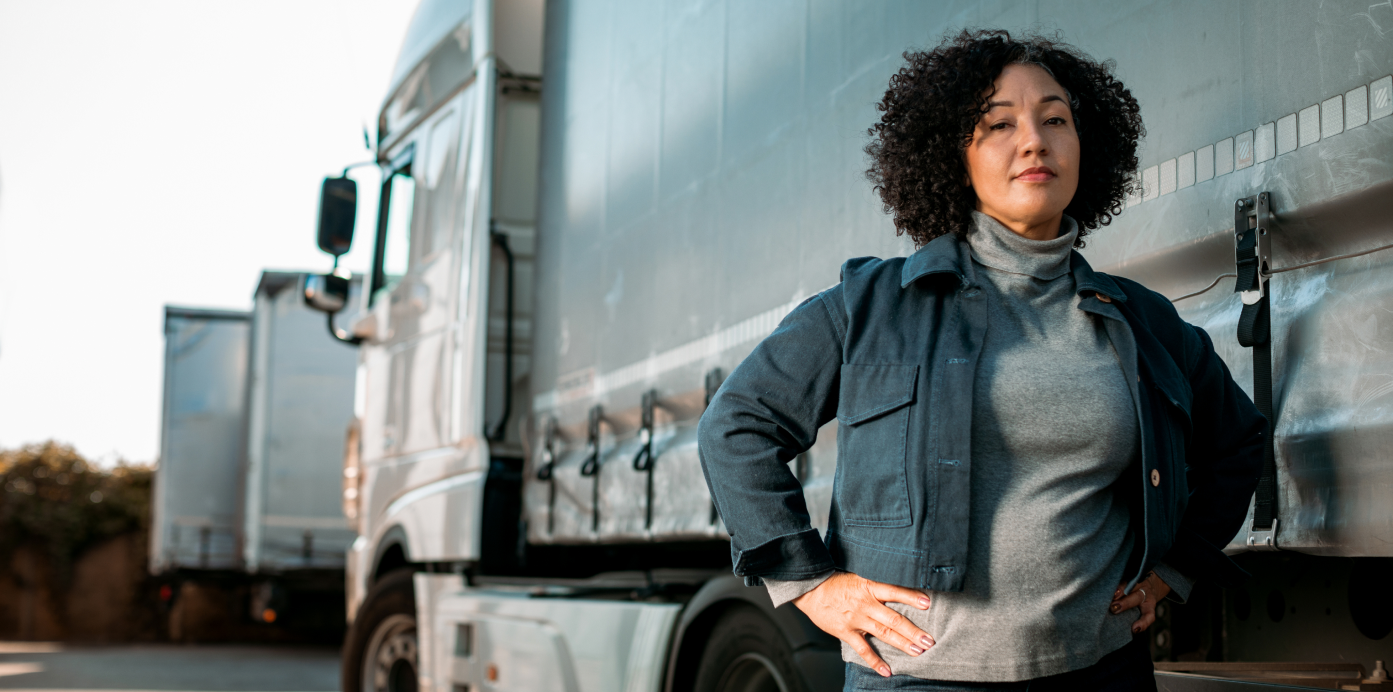
trucking

Lowering carbon intensity of existing fleets with renewable fuels.

automotive

Developing lower carbon intensity fuels for the road.

aviation

Exploring sustainable aviation fuel.

marine

Reducing CO2 emissions intensity for maritime.

rail

Delivering lower rail emissions intensity with bio-based diesel.

Chevron is working on offering the lower carbon intensity solutions our customers are seeking. Our relationships, projects and fuel advancements all help drive toward that end: progress today toward transportation for tomorrow.

feedstocks

cultivating lower carbon intensity fuels

Providing high-quality, lower carbon intensity fuels as part of the energy mix on energy-intense feedstocks. We have used 15 different types of feedstock and continue to work alongside agricultural and other suppliers and innovators to develop new and novel sources of feedstock.

card 1 of 1,

soybean oil

click for more content
Soybean oil is one example of a oil seed crop that is used for various industrial applications and as well as to produce bio-based diesel. As part of a joint venture with Bunge, Chevron is working to establishing a reliable supply chains from farmer to fueling stations with a variety of oil seed crops.
card 1 of 1,

peanuts

click for more content
They’re not only good for trail mix. Peanuts helped revolutionize the transportation sector, with their oil fueling the world’s first diesel engine. Today, Chevron is collaborating with scientists at Texas A&M AgriLife to explore again using peanut oil as a renewable feedstock.
card 1 of 1,

inedible animal fats

click for more content
Various inedible animal fats, like beef tallow, pork grease, chicken fat and others can be used to create renewable fuels.
card 1 of 1,

distillers corn oil

click for more content
During corn ethanol production, corn is fermented and the ethanol is boiled off. The remaining distilled mixture can be processed into one of the lowest-rated carbon intensity feedstocks available. We then use it to produce bio-based diesel.
card 1 of 1,

cover crops

click for more content
Chevron has invested in CoverCress Inc. to develop a lower carbon intensity feedstock from cover crops that can be grown between the normal planting rotations of corn and soy. Chevron and Bunge acquired Chacraservicios, which has developed proprietary strains of camelina and provides another cover crop option.
card 1 of 1,

used cooking oil

click for more content
A use for fryer oil that goes way beyond making fries and other foods. The product is made up of a variety of vegetable oils and animal fats. Used cooking oil that used to go to landfills is instead collected as a feedstock to create bio-based diesel.
card 1 of 1,

canola oil

click for more content
Similar to soybean oil, canola oil is a feedstock that comes from the seeds of the canola plant. It can be used in oleochemicals for various industrial applications. Chevon uses it to produce high-quality bio-based diesel.
card 1 of 1,

novel feedstocks

click for more content
Chevron has invested in other new and novel sources of feedstocks including Pongamia, algae and even insect larva and continues to evaluate new areas of potential supply.

policy position

progress toward a lower carbon road ahead

We support policies that guide the scaling of lower carbon intensity solutions for the transportation sector. Lowering transportation emissions intensity helps put us on the road to a lower carbon future.